
Cinema Queue Entertainment Pirate Slots Before Movies in UK
As we navigate the usual hustle of a UK cinema foyer—the scent of popcorn, the rustle of tickets, the murmur of anticipation—a new form of before-film entertainment is steadily establishing itself https://pirate.eu.com/. The days are gone of simply staring at static adverts or looking at your phone for the tenth time. A rising number of cinema-goers across the UK are now using their waiting time to try Pirate Slots, a digital pastime that turns idle minutes into moments of possible excitement. This trend points to a broader shift in how we enjoy entertainment, mixing the communal, immersive experience of the big screen with the personal, interactive thrill of a slot game. For many, it’s become a modern ritual: queueing for tickets, buying a drink, and playing the reels on Pirate.eu.com, all before the house lights dim. We are observing a fascinating intersection of leisure activities, where the anticipation for the main feature is itself marked by a different kind of narrative—one of chance, treasure, and high-seas adventure.
Core Elements of Immersive Pirate-Themed Slots
Not all slot games are created equal, and the ones that thrive in this specific pre-cinema context tend to possess a set of appealing features. These elements are crafted for quick engagement and maximum enjoyment within a limited timeframe, which is essential for an audience about to be called into a screening. The most successful Pirate Slots recognize that their players are in a transitional state and structure the experience accordingly. The mechanics are user-friendly, often featuring ‘quick spin’ options and auto-play functions that honor the user’s limited time. The thematic depth, however, is what keeps players returning. It’s a careful balance of immediate gratification and sustained narrative interest that makes these games more than just a simple time-waster while you wait for your popcorn.
- Engrossing Visual and Audio Design: High-quality graphics depicting ships, treasure chests, and iconic pirate characters immerse the player instantly into the theme. The sound design—from lapping waves to dramatic music—completes the atmosphere, even when experienced through headphones amidst a busy foyer.
- Easy Yet Rewarding Gameplay: The core loop of spinning and matching is easy to grasp, requiring no lengthy tutorial. Features like expanding wilds (often represented by a Jolly Roger or a pirate captain) or instant bonus rounds deliver satisfying moments of excitement perfect for a short session.
- Dynamic and Mini-Game Elements: Many games include side adventures, like tapping to open a treasure chest or navigating a simple map to choose a reward. These diversify the standard slot play and offer a sense of discovery and agency.
- Low-Barrier Entry: Typically using virtual currency or free-play modes, these games allow anyone to participate without financial commitment, making them an excellent, risk-free distraction for people of all ages waiting for their film to start.
Decoding the Buccaneer Slot Craze
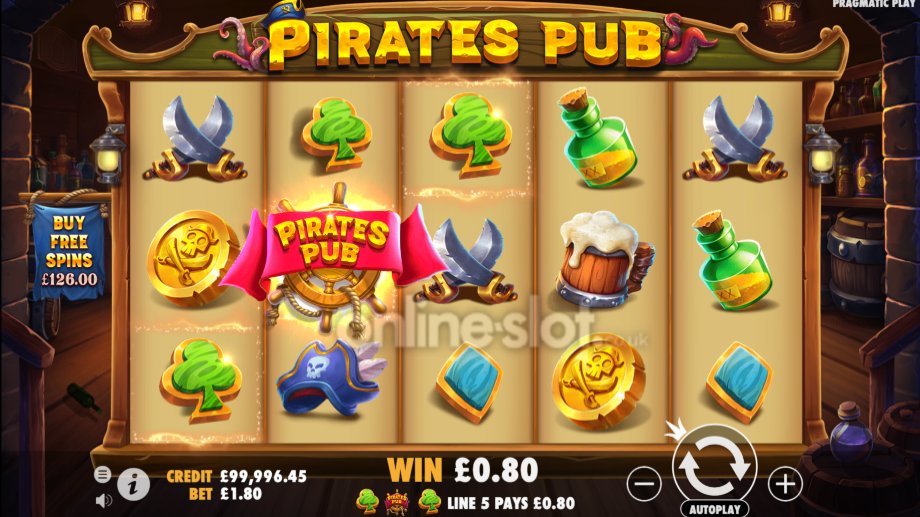
So, what specifically are Pirate Slots? At their core, they are digital slot machine games themed around classic swashbuckling adventures, often reachable via websites like Pirate.eu.com or dedicated apps. Their allure lies in a potent combination of simple mechanics, compelling thematic elements, and the universal thrill of chance. The pirate theme itself is a masterstroke, delving into a rich vein of cultural nostalgia and adventure that connects widely—think buried treasure, mysterious maps, and epic naval battles. For the user in a bustling Odeon or Vue cinema queue, these games offer an immediate escape. The visual and auditory feedback of spinning reels, matching symbols, and potential bonus rounds offers a satisfying micro-experience. Crucially, the format is perfectly suited to short, interrupted play sessions; you can have a few spins, put your phone away as you move forward in the line, and pick it up again without losing your place. This ‘pick-up-and-play’ nature is essential to their success in this specific context, making them a more suitable queue activity than, say, a complex strategy game or an immersive RPG.
The Growth of Pre-Film Digital Play across UK Cinemas
The notion of entertainment within the cinema environment is not new; arcade machines and claw cranes have occupied foyers for decades. However, the nature of that entertainment has transformed dramatically with the ubiquity of smartphones. We now carry incredibly powerful gaming devices in our pockets, and the cinema queue provides a perfect, if brief, opportunity to use them. This shift is especially noticeable in the UK, where mobile data penetration is high and moments of ‘dead time’ are progressively filled with digital interaction. The cinema visit, while still a cherished event, now includes natural pauses—waiting for friends, queuing for concessions, arriving early for the best seats. It is within these interstitial moments that Pirate Slots and similar platforms have found a receptive audience. The activity requires minimal setup, offers a quick burst of engagement, and fits neatly into the fragmented timeline of a cinema outing. This isn’t about replacing the cinematic experience but augmenting it, adding a layer of personal, interactive entertainment to the social ritual of a night out at the pictures.
The Outlook of Foyer Entertainment within the United Kingdom
Moving forward, the trend of mobile gaming as queue entertainment is set to change and possibly grow more integrated with the cinema experience itself. We foresee a future where cinema chains, recognising this consumer behaviour, could create their own branded, light-touch games or form partnerships with reputable platforms to provide exclusive content or loyalty points linked to pre-film play. The technology for location-based triggers is already in place; imagine a cinema app that reveals a special pirate-themed slot or a unique bonus round when you check in at your local Cineworld. Furthermore, as augmented reality (AR) technology develops, we might witness foyer-based AR experiences that combine the physical and digital—perhaps allowing families to collaboratively ‘find treasure’ on a virtual map overlaid on the foyer while they wait. The core insight is that the desire for seamless, engaging entertainment in all moments of a leisure outing is permanent. The UK’s cinema industry, known for its innovation in customer experience, is well-placed to creatively respond to this, making sure that the journey from the front door to your cinema seat is as enjoyable as the film itself.
- Upgraded Loyalty Integration: Cinemas could allow you to earn points towards free tickets or concessions through gameplay on a partner app, tying the pre-film entertainment to the core cinema rewards programme.
- Wi-Fi Enhanced Game Hubs: Supplying super-fast, free Wi-Fi with a portal that curates a selection of quick-play games like Pirate Slots would boost customer satisfaction and maintain engagement within the venue’s digital ecosystem.
- Themed Promotional Tie-ins: For major film releases, especially adventure blockbusters, custom mini-games or slot themes can be designed as promotional tools, creating hype and offering a unique, collectible digital experience to attendees.
Mixing Entertainment with Responsible Play
As we explore the incorporation of slot-style games into leisure activities like a cinema visit, it is crucial to address the principle of conscious play head-on. The very accessibility and engaging nature of these games mean that a conscious, balanced approach is necessary. We must highlight that in the UK context, platforms like Pirate.eu.com that offer this form of entertainment are intended strictly for fun and should be approached with mindfully. The pre-film spin should be regarded as what it is: a brief, entertaining diversion, not a focused gambling session. Conscious operators introduce clear actions, such as session time reminders, easy-to-access reality checks, and direct links to support organisations like GamCare and BeGambleAware. For the cinema-goer, this amounts to a simple personal code: appreciate the game as part of the night out, but let the film be the main event. Setting a soft limit on your playtime—perhaps deciding to stop once the queue starts moving or the lights flicker—is a wise way to preserve this balance. The goal is to enhance the social experience, not take away from it or create any form of negative impact.
The Player’s Angle: Ease and Vibe
From the audience’s viewpoint, the attraction is many-sided. Mainly, it boils down to comfort and the improvement of mood. Let’s consider a typical scenario: you’ve reserved tickets for a popular film at a Leicester Square opening. You show up 30 minutes early to guarantee a good seat, but the queue for the screen is already snaking through the foyer. Instead of anxiously fidgeting, you reach for your phone. Within seconds, you’re engrossed in a pirate-themed world, the audio of the sea and rattling coins (through headphones, of course) quietly enhancing the eager energy of the cinema. The game provides a systematic way to kill time, making the wait appear shorter and more entertaining. There’s also a nuanced social aspect; friends might show off quick wins or root for one another, introducing a layer of mutual amusement before the film even begins. For the solo cinema-goer, it’s a perfect buffer against the slight discomfort of waiting alone. The pastime converts a passive, often boring stretch into an engaging and entertaining one, all without demanding you to leave from your spot in the row.
Why Cinemas and Mobile Gaming Are a Perfect Match
The synergy between the cinema environment and mobile slot play is more fitting than it might first seem. Both are types of escapism, offering a break from the everyday. The cinema offers a collective, narrative-driven escape, while a quick slot game presents a personal, chance-driven one. The physical space of the cinema foyer, often designed to build excitement, establishes an ideal psychological state for interacting with a quick, thrilling game. Furthermore, the UK’s cinema industry has long adopted technological adjuncts to the core experience, from online booking to interactive loyalty apps. The use of personal devices for entertainment while waiting is a natural extension of this. The activity also fits with the social yet individual nature of a cinema trip: groups may be together, but while queueing, individuals often briefly turn inward, checking social media or messages. Pirate Slots fit neatly into this behavioural pattern, offering a more engaging alternative to scrolling. It’s a kind of entertainment that acknowledges the social occasion while attending to the individual’s desire for stimulation in those inevitable lulls.